
Make everyday purchases easier to manage with the Chase Credit Card and its digital-first experience.

Choosing a credit card does not have to mean comparing complicated points programmes, spending categories and benefits you may never use.
The Chase Credit Card takes a more streamlined approach, putting everyday spending and digital account management at the centre of the experience.
For existing Chase customers looking to bring more of their finances into one app, that simplicity can be particularly attractive. Purchases, repayments and account information can be monitored without adding another complicated financial platform to your routine.
The card also has features that may appeal to people who travel or shop internationally, alongside purchase-interest terms that can make planned spending easier to manage when used correctly.
As with any credit product, however, the headline benefits tell only part of the story. Understanding eligibility, promotional conditions and repayment requirements before applying is essential.
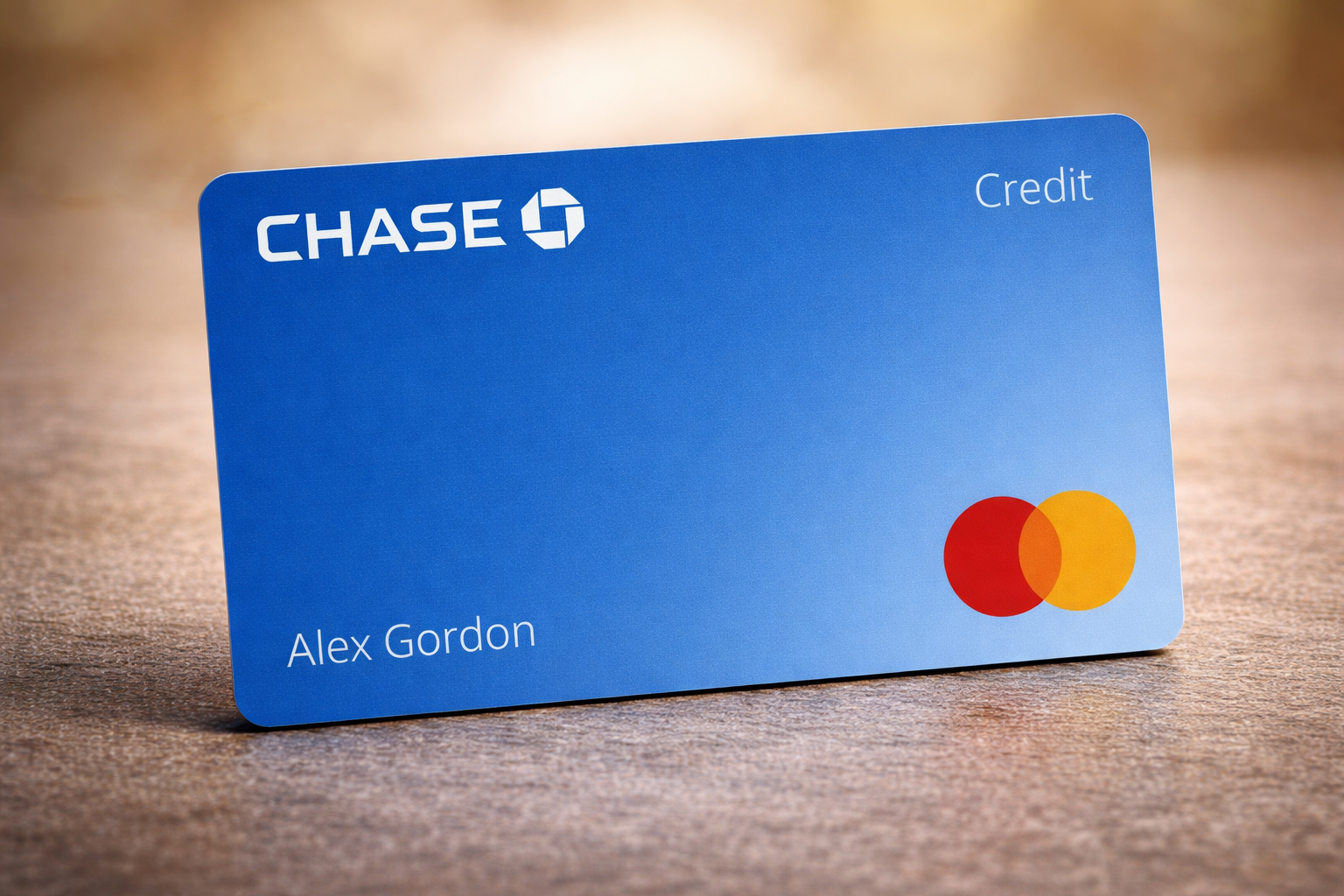
Chase Credit Card
0% interest on purchases No foreign exchange feesChase Credit Card: Everyday Spending Without the Clutter
One of the strongest attractions of the Chase Credit Card is its relatively uncomplicated proposition. Instead of requiring you to reorganise spending around multiple reward categories, the card is built around straightforward credit management.
That can be useful for planned everyday expenses. Regular purchases such as groceries, transport, household essentials or online shopping can be easier to track when they are consolidated within a well-managed account.
The digital experience is another important part of the proposition. Chase is already known in the UK for its app-focused banking model, so managing credit digitally should feel familiar to customers using its wider banking services.
Keeping a close eye on transactions is more than a convenience. Regular monitoring can help you identify unusual purchases quickly, understand how much of your available credit you are using and avoid spending beyond your repayment capacity.
For consumers who prefer financial products that work quietly in the background rather than demanding constant optimisation, this straightforward approach can be a significant advantage.
Benefits That Could Make a Real Difference
0% Purchase Interest
A 0% purchase offer can be particularly useful when you have planned expenses and want additional time to repay them without immediately accumulating purchase interest.
The key is to treat the interest-free period as a repayment opportunity rather than permission to overspend. Divide larger planned purchases into affordable monthly repayment targets and aim to clear the relevant balance before promotional terms expire.
Always check the duration and conditions of the current 0% offer before applying.
No Foreign Exchange Fees
For travellers and consumers who regularly purchase from overseas retailers, avoiding Chase foreign exchange fees on eligible card transactions can make international spending more convenient.
Exchange rates and transaction conditions still matter, however. Before travelling, review the latest Chase terms covering card purchases, ATM withdrawals and any transactions that may be treated differently.
No Annual Fee
A card without an annual membership fee is easier to justify for occasional as well as regular use. You do not need to calculate whether rewards or benefits will compensate for a recurring membership charge.
That simplicity can make the Chase Credit Card appealing to consumers who value functionality more than premium extras.
Digital Control
A mobile-first account experience gives you an opportunity to monitor borrowing more actively. Instead of waiting until the monthly statement arrives, regular app checks can provide a clearer picture of how spending is developing.
Combine this visibility with automatic repayments or reminders and the card becomes much easier to manage responsibly.
How to Use It More Strategically
Getting approved is only the beginning. How you manage the account determines whether a credit card becomes a useful financial tool or an expensive source of debt.
Start by creating your own spending ceiling. Your credit limit represents the maximum available borrowing, not necessarily an amount you can comfortably afford to spend.
Next, establish a repayment plan. Paying the statement balance in full when possible is one of the simplest ways to keep credit card costs under control. If you are using a genuine 0% purchase offer, calculate how much you need to repay each month to clear the balance within the promotional period.
Never assume that a promotional rate means repayments can be ignored. You will still need to meet the required minimum payments and comply with the card’s conditions to retain applicable benefits.
Finally, check your account regularly. Digital notifications and frequent transaction reviews make it easier to identify overspending before it becomes a problem.

Fees and Charges: What Should You Check?
The most important numbers are the ones presented in your individual offer and current Chase terms. Interest rates, promotional periods and other conditions can change, so verify them before submitting an application.
| Fee / Feature | What to Check |
|---|---|
| Purchase Interest | Check the current 0% offer and when it ends |
| Standard APR | Confirm the rate applicable after promotional terms |
| Annual Fee | Check current Chase pricing |
| Foreign Exchange | Review current overseas transaction terms |
| Cash Withdrawals | Check fees and interest treatment separately |
| Minimum Payment | Confirm the amount shown on each statement |
Do not judge the card solely by its introductory rate. Consider what borrowing could cost after any promotional period finishes, especially if you expect to carry a balance.
Cash withdrawals also deserve separate attention because credit card cash transactions can be treated differently from ordinary purchases.
Chase Credit Card vs Other UK Credit Cards
The Chase Credit Card is worth comparing according to what you actually need rather than which card advertises the longest list of benefits.
A rewards card may suit someone who spends heavily enough to extract meaningful value from points or cashback. However, rewards can quickly become irrelevant if interest or annual fees exceed what you earn.
A dedicated balance-transfer card may be more appropriate for someone whose primary objective is restructuring existing credit card debt rather than financing new purchases.
Credit-builder cards serve another audience. They may be designed for consumers with limited or damaged credit histories, although their interest rates and starting limits can differ considerably.
Chase becomes particularly interesting for consumers who value digital management, straightforward spending and its current interest or international-use features.
Compare the full cost, eligibility criteria and long-term terms before choosing.
Who’s Eligible – Chase Credit Card Requirements
Eligibility depends on Chase’s current criteria and your individual financial circumstances. Applicants should therefore check the latest requirements directly with Chase rather than assuming approval based on general credit-card criteria.
You may be asked to provide or confirm information such as:
- Your identity and date of birth
- UK residential information
- Income and employment details
- Existing financial commitments
- Information required for affordability checks
- Details necessary for identity and credit assessments
Availability may also depend on your relationship with Chase and whether the product is currently offered to you.
Credit-card approval is never guaranteed. Chase can consider creditworthiness, affordability and information obtained during its assessment before deciding whether to offer credit and on what terms.
How to Apply – Chase Credit Card Application
If the Chase Credit Card is available to you, the application process is designed around Chase’s digital banking environment.
- Visit the official Chase UK website or open the Chase app.
- Check whether the Chase Credit Card is currently available to you.
- Review the latest 0% purchase terms, APR and fees.
- Read the eligibility requirements carefully.
- Provide or confirm the requested personal and financial details.
- Complete any affordability or credit assessment required.
- Review the credit limit and terms offered before accepting.
- If approved, follow Chase’s instructions to activate and manage your card.
Do not focus only on whether you can get approved. Consider whether the offered credit limit and eventual interest rate fit comfortably within your budget.
Once your account is active, setting up repayments early can help prevent missed due dates.
Frequently Asked Questions About Chase Credit Card
1. Does the Chase Credit Card charge an annual fee?
Check the current Chase product terms before applying, as pricing and product conditions can change.
2. Does Chase really offer 0% interest on purchases?
Chase may offer 0% purchase terms on its credit card. Confirm the duration, eligibility and conditions of the current offer before relying on it.
3. Can I use the Chase Credit Card abroad?
Yes, subject to Mastercard acceptance and Chase’s current international transaction terms. Check the latest foreign exchange and cash withdrawal conditions before travelling.
4. Does the card offer cashback or rewards?
Do not assume that benefits associated with other Chase products automatically apply to the credit card. Check the current card-specific benefits before applying.
5. Can using Chase improve my credit score?
Responsible credit management can contribute to your overall credit history, but no lender can guarantee that using a particular card will increase your credit score.
6. What happens when a 0% purchase period ends?
Any qualifying balance remaining after the promotional period may become subject to the applicable interest rate. Check your agreement for the exact rate and conditions.







 AIB Visa Gold Card: Apply With Added Protection
  Fluid Credit Card: Apply and Build Credit Smarter
  AIB Visa Gold Card Review